FIRST PERSON: One American opens his heart to Pakistani students

When in Pakistan, many foreigners visit historic mosques like this one. Of the 168 million people who live in Pakistan, nearly all of them are Muslim.

By Cade Rutledge*

PAKISTAN — Less than an hour after our President announced Osama bin Laden’s death to the nation, a Facebook friend updated his status: Never forget 9/11. Rest assured, I haven’t. In fact, I vividly remember that Tuesday morning like it was yesterday.

On a rooftop, I bore witness to my generation’s Pearl Harbor. For a hundred and one minutes the towers burned until they were no more.

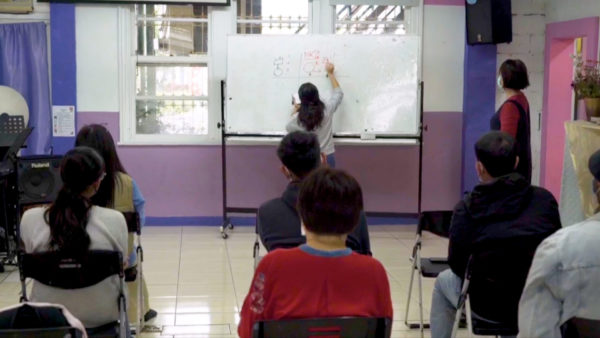
Currently, I’m teaching Pakistan’s new generation at a local university. Younger Muslims previously lived in their own bubbles, but are now being exposed more to what Pakistan is experiencing. They want freedoms of expression and religion. They want choice.

My older brother worked on the 82nd floor when Flight 11 crashed into the North Tower. He survived and joined thousands of ash-covered New Yorkers in a mass exodus across the Brooklyn Bridge. On the other side thousands more waited. Some carried photos of their loved ones; others offered free rides.

At home, my family gathered to watch and wait. When I walked home that day in September, the streets were eerily quiet. Phone lines were jammed. Only one TV station worked. And, travel into Manhattan was banned. All anyone could do was wait.

When I first heard about the death of Osama bin Laden earlier this week, I was in shock. I heard it on the loudspeakers at a neighborhood mosque. I think I’d just given up on the idea he would be found. Little did I know, he was in the same country.

Watching the celebrations at Ground Zero and in front of the White House reminded me of a victory like the end of WWII. Osama bin Laden’s death united a country weighed down by economic distress and political polarization. At least for a while it’s giving Americans hope that things will be okay and that our cause is just.

In the days that followed bin Laden’s death, public transportation was silent, as people avoided the subject everyone wanted to talk about. But, not in my classroom. My students have always been open to discussing issues of faith, ethics and worldview. And they’ll express opinions about Islam that would surprise or shock anyone.

Average Pakistanis are tired of just surviving. But that’s the thing. I admire the Pakistani people’s resilience in the face of suicide bombings, Islamic militancy, political assassinations (and corruption), rising costs for basic necessities and even a flood which laid waste to one-third of their country. Punch after punch they get back up. It reminds me of the resilience I experienced among New Yorkers after 9/11.

Most don’t support Osama bin Laden or his cause. However, when I asked in class whether Islam is compatible with globalization, they answered reluctantly because they didn’t want to be perceived as bad Muslims. This thinking prohibits people from pursuing freedom, love and peace. But, peace doesn’t come from Hollywood or not practicing Islam. It only comes from Jesus.

After my family was attacked on 9/11, we waved flags, posted posters of the skyline and chanted U-S-A at baseball games. I’m an American for goodness sakes! But all that changed in September 2003 when I met Jesus.

Soon after, God began replacing my American identity with one grounded in His Son. Where I placed my security was no longer in my passport, but in His eternal Word. Like streams in the desert, Jesus’ life was marked by a compassionate obedience. A love for the lost and an obedience to see that no one should perish.

I know someone who looks like any other Pakistani. But, this man fought for his country in the name of a terrorist group. That is, until he found a Bible and read, “Love your enemies, and pray for those who persecute you.” A truly radical thought.

I don’t know when or how long it took for him to truly follow Christ. Now, he disciples a group of men, whom he has led to Christ.

The question is not how can I possibly love the Muslims who attacked my country, but will I do so? Our answer should always be yes because our Jesus-centered faith demands it. Our Christian response must never resemble the world’s.

To this day I’m convinced it was the Spirit who laid this nation on my heart. A country, a people which never once crossed my mind became an inescapable thought. So much so that when I shared this calling with my close friends I couldn’t help but weep.

Should Christians celebrate bin Laden’s death? As the online debate raged another Facebook friend posted on his wall: I’m a Christian and I’m happy Osama is dead. My heart broke. Juxtaposing his reaction with his faith, our faith made me wonder how much of our response is more American than it is Christian. More from our fallen nature than from God.

The Pakistani people desire that same hope Americans express by rejoicing at Ground Zero. They wonder whether we care enough to tell them things will be okay.

The early church felt the same way about Saul as we do about today’s terrorists. As I did about those who attacked us on 9/11. However, look at what Paul left behind in Jesus’ name. I believe it can happen again because God can transform even the hardest of hearts.

On September 11, I watched the towers burn and worried for my brother’s safety. Ten years later, I was in Pakistan when Osama bin Laden died. And, I’ll never forget.

—30—

*Name changed.

Cade Rutledge recently served two years in South Asia as a university instructor.